
A Parisian Boutique Launches Globally — From Figma File to Live Store in Under 4 Weeks
Azzucena Paris had the brand, the photography, and the vision. What they needed was someone who could take their Figma design and turn it into a WooCommerce store that could sell kimonos, jewellery, and accessories to customers in 7 currencies — fast.
The Brand Was Ready. The Website Didn't Exist Yet.
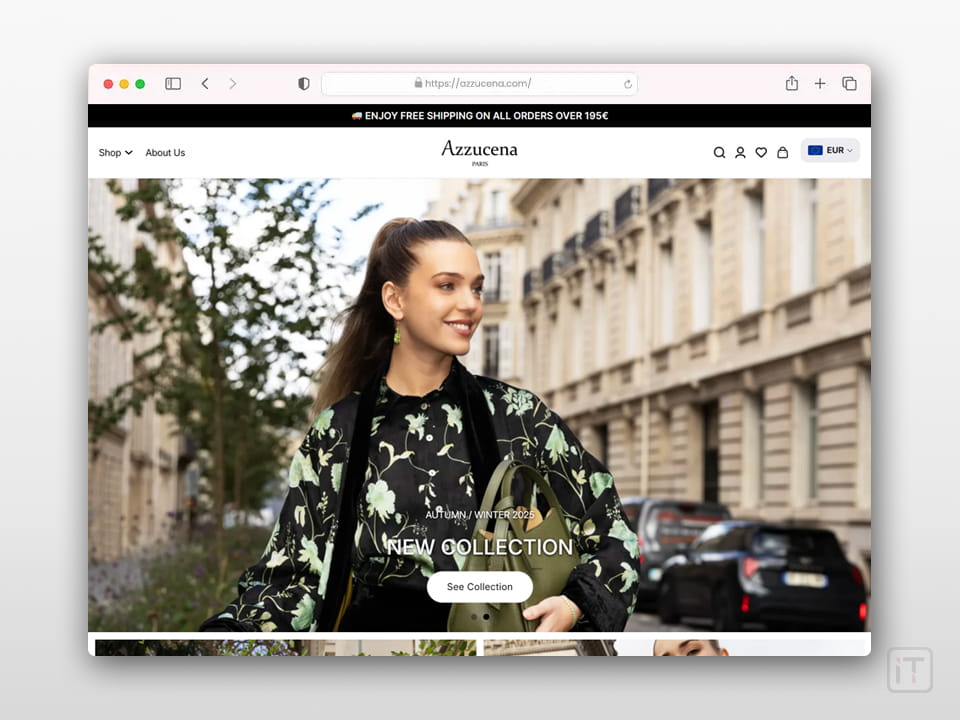
Azzucena Paris is a French boutique selling handcrafted kimonos, capes, dresses, crystal jewellery, and leather bags. The founder had already invested heavily in the most important parts — the products, the brand identity, and professional photography shot in Parisian settings.
What she brought to us was a complete Figma design file — a fully thought-out visual blueprint of exactly how the store should look. She knew what she wanted. She just needed a team that could execute it faithfully, at speed, and get the technical foundation right from day one.
The requirements were clear: a store that could sell to customers across Europe, the US, the UK, the Middle East, and beyond — which meant multi-currency had to be built in, not bolted on later. And it had to be live quickly.
Pixel-perfect Figma conversion required. The client had a detailed design. The job was to honour it precisely in Bricks Builder — not approximate it.
Global commerce from launch day. Seven currencies needed to work correctly — display, conversion, and checkout — across different regions.
Tight timeline, no room for back-and-forth. A fast launch was important to the client. That meant clear processes, daily progress, and zero wasted cycles.
SEO had to be right from day one. A new domain with no history needs a clean SEO foundation immediately — not as an afterthought once traffic matters.
Figma to Bricks Builder — Built to the Brief, Delivered Early
Our team works natively in Bricks Builder. For projects where the design is already defined in Figma, this is where we’re fastest — there’s no design exploration phase, no iteration on creative direction. We take the Figma file and build it, precisely, using our established component workflow.
That’s what made the under-4-week delivery possible. Clear brief, experienced team, right toolset.
Every section of the Figma design translated faithfully into a live, responsive WordPress site — typography, spacing, hover states, mobile layouts. Nothing approximated.
Full WooCommerce configuration: product categories (Kimono, Dress, Cape, Jewellery, Bags), variations, inventory, shipping rules, and payment gateway integration.
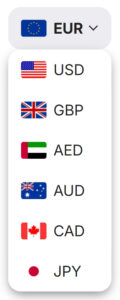
Multi-currency system covering EUR, USD, GBP, AED, AUD, CAD, and JPY — auto-detecting visitor location and displaying the correct currency at every touchpoint.
15+ products uploaded with full details: descriptions, high-resolution images, size options, pricing in all currencies, stock status, and SEO metadata per product.
Complete on-page SEO setup: meta titles and descriptions, schema markup, image alt text, XML sitemap, Google Search Console verified and connected, GA4 tracking live.
Google Analytics 4 and Google Search Console configured correctly from day one — so the client has clean data from the first visitor, not patchy data from a messy setup.
The Slide-In Cart That Shows What You're Missing
One of the most important UX details on any fashion e-commerce site is what happens when a customer adds something to their cart. The default WooCommerce behaviour — redirect to a cart page — kills momentum. Customers lose their place, abandon their browse, and often leave.
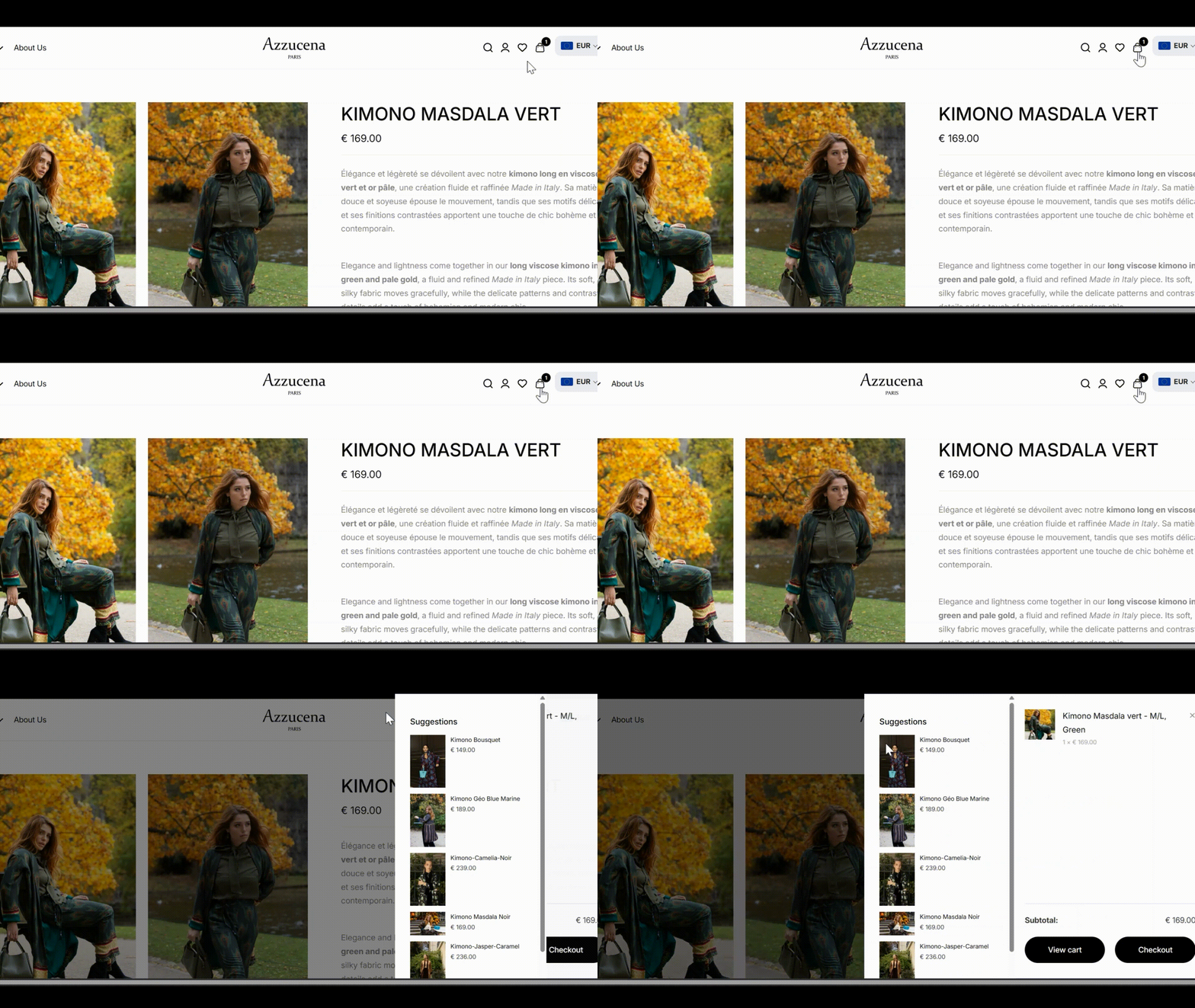
The client specifically requested a slide-in cart panel from the right that keeps the customer on the page. We built it with a feature that most stores don’t think to include: related product suggestions directly inside the cart panel itself — visible at the moment a customer has just decided to buy something.
When a shopper adds a kimono to their cart, a panel slides in from the right. On the left side of that panel: curated suggestions — other kimonos they might love, shown with thumbnail, name, and price. On the right: their current cart items with a running subtotal and one-tap checkout. The customer never leaves the page, and they’re shown relevant additional products at exactly the right moment.
Seven Currencies. One Seamless Experience.
Azzucena’s target market was never just France. The brand’s aesthetic — Parisian-inspired kimonos and crystal jewellery — has natural appeal to buyers in the UK, UAE, US, Australia, Canada, and Japan. Building a store that could only sell in euros would have locked them out of most of that opportunity.
We implemented multi-currency from day one: automatic geo-detection presents the customer’s local currency on arrival, with manual switching available via the currency selector. Prices display correctly across product listings, product pages, cart, and checkout — no friction, no confusion about what they’re actually paying.
Under 4 Weeks, Start to Finish
Speed comes from process, not shortcuts. We work in tight sprints with daily progress shared via Slack. When the brief is clear and the design is already defined, our team can move fast without cutting corners. Here’s how this project ran.
Reviewed the Figma file in detail, mapped every page and component, clarified any ambiguities with the client upfront. Set up WordPress environment, installed WooCommerce, Bricks Builder, and multi-currency plugin. Hosting configured and secured.
Converted the Figma designs to live pages: Homepage, Shop, Product Category pages, Product Detail page, Cart, and Checkout. Custom slide-in cart panel with related product suggestions built and tested. Mobile responsiveness verified across all breakpoints.
All 15+ products uploaded with full configuration: images, descriptions, size/colour variations, stock levels. Multi-currency system tested end-to-end across all 7 currencies. On-page SEO applied to all product pages and categories. Schema markup added.
Full QA pass across desktop and mobile. Payment gateway tested live. Google Analytics 4 and Google Search Console connected and verified. DNS configured, site launched. Client signed off within the agreed timeline.
Every Tool Chosen for a Reason
We don’t use the same stack on every project. For Azzucena, the priority was faithful design reproduction, global commerce, and long-term manageability by a non-technical founder. These tools delivered all three.
In the Client's Own Words

Founder, Azzucena Paris
Three things she called out specifically: polite communication, understanding requirements precisely, and fast responses with exact answers. These aren’t just nice qualities — they’re what separate a professional agency relationship from the frustrating experience of chasing someone for updates and getting vague replies.
This is the standard we hold ourselves to on every project — not because it’s a marketing point, but because it’s how good work actually gets done.
If You Already Have a Design, We Can Move Faster Than You Think
Figma-first clients get faster results. When a founder comes with a clear visual direction already defined, there’s no discovery phase, no creative back-and-forth. We can go straight to building. Azzucena’s under-4-week delivery is proof of what’s possible when the brief is tight.
Multi-currency is not a plugin toggle — it’s a commerce strategy. Getting 7 currencies working correctly across product display, cart, and checkout requires careful configuration and real testing. Done right, it opens your store to global buyers from day one.
The cart experience is part of the conversion funnel. The slide-in cart with related product suggestions isn’t a cosmetic feature — it keeps buyers on the page and puts more of your catalogue in front of them at exactly the right moment.
SEO from day one, not day thirty. A new store with no SEO foundation wastes its first weeks of existence. By configuring Search Console, GA4, and on-page SEO before launch, Azzucena started building search presence from its very first visitor.